
How Beginners Should Choose Targets in Fishing Games
One of the biggest mistakes beginners make in fishing games is believing that success depends on shooting faster or more often. In reality, one of the most important skills is much simpler:
Choosing the right targets.
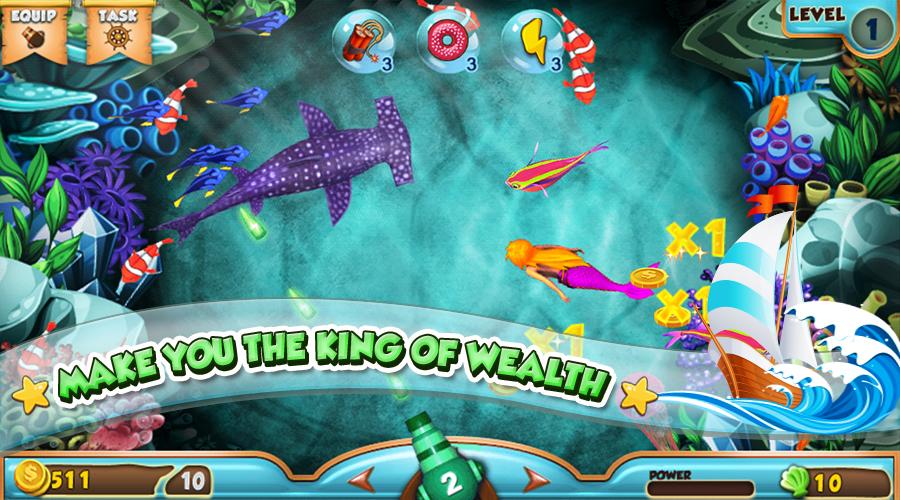
Fishing games are full of movement. Dozens of fish appear on the screen at the same time, each with different sizes, speeds, and reward potential. Without a clear approach, beginners often shoot randomly—hoping something will eventually work.
This approach usually leads to fast losses and frustration.
This guide is built specifically for beginners. It explains how to choose targets in a practical way, what to look for before shooting, and how players on FB777 can improve their decisions without relying on luck or guesswork.
Why Target Selection Matters More Than Shooting Speed
Fishing games are not just about action—they are about decision-making.
Every shot costs credits. That means every time you choose a target, you are also choosing how to spend your balance.
If you shoot randomly:
You waste more bullets
You lose control of your budget
You miss better opportunities
If you choose targets carefully:
You reduce unnecessary spending
You improve consistency
You stay in control longer
Target selection is the foundation of efficient play.
Understanding the Three Basic Types of Fish
Before choosing targets, beginners should understand that not all fish are the same.
Small Fish
Small fish are:
Easier to capture
Lower in reward
More stable for beginners
These are ideal for:
Learning game mechanics
Practicing timing
Maintaining control
Medium Fish
Medium fish offer:
Balanced difficulty
Moderate rewards
Better learning opportunities
They are suitable once beginners feel comfortable with basic shooting control.
Large Fish and Boss Targets
Large fish are:
Harder to capture
Higher in reward
Riskier in terms of cost
Beginners should approach these carefully and avoid chasing them without a plan.
The Beginner Trap: Chasing the Biggest Fish
One of the most common beginner mistakes is chasing large or flashy fish.
The logic seems simple:
“Bigger fish = bigger rewards.”
But this ignores the cost required to capture them.
Chasing large fish often leads to:
Spending too many bullets on one target
Ignoring better opportunities
Losing balance quickly
For beginners, focusing on consistent, manageable targets is far more effective.
What Makes a “Good Target”?
Instead of focusing on size, beginners should look for specific qualities.
A good target usually:
Has just entered the screen
Moves at a predictable speed
Is not surrounded by too many distractions
Has enough time before leaving the screen
These factors increase the chances of a successful capture without excessive spending.
Timing and Position Matter
Target selection is not just about the fish—it’s about timing.
For example:
A small fish about to leave the screen is a poor target
A medium fish entering from the side is often a better choice
A crowded screen reduces clarity and increases risk
Choosing the right moment is just as important as choosing the right fish.
When to Stop Shooting a Target
Another key beginner skill is knowing when to stop.
Many beginners think:
“I already shot this fish—I can’t stop now.”
This mindset leads to chasing losses.
Instead, beginners should recognize when to let go:
If the fish is near the edge of the screen
If too many shots have already been used
If the situation feels rushed or unclear
Letting a fish escape is not failure. It is control.
Why Random Shooting Doesn’t Work
Random shooting feels active, but it removes decision-making.
When beginners shoot randomly:
Every fish becomes a target
Every moment feels urgent
Every mistake becomes expensive
Fishing games reward selectivity, not randomness.
The more intentional your target choices, the better your overall experience.
A Simple Target Selection Routine for Beginners
To simplify the process, beginners can follow a basic routine:
Observe the screen for a few seconds
Choose one target at a time
Check its position and movement
Shoot with control
Stop if the situation changes
This routine creates structure in a game that often feels chaotic.
How FB777 Supports Better Target Selection
A stable platform makes it easier to choose targets effectively.
On FB777, players benefit from:
Clear visuals that make fish movement easy to track
Smooth gameplay that supports accurate timing
Responsive controls for precise targeting
A stable environment that reduces distractions
These features help beginners focus on improving their decisions instead of reacting to unclear or unstable gameplay.
The Strong Core Idea
Fishing games are not about hitting everything. They are about choosing wisely.
Beginners who shoot at every fish often lose quickly. Those who learn to select targets carefully:
Spend less
Stay in control
Learn faster
This shift from random action to deliberate choice is what separates frustration from progress.
Final Thoughts
If you are new to fishing games, focus less on how often you shoot and more on what you choose to shoot.
Remember these key principles:
Not every fish is worth your bullets
Timing matters as much as target size
Stopping is as important as starting
Control leads to better results
On FB777, beginners have access to a stable and clear environment where they can practice these skills effectively.
Fishing games may look fast and chaotic, but with the right approach, they become structured, controlled, and far more enjoyable.


Comments are closed